
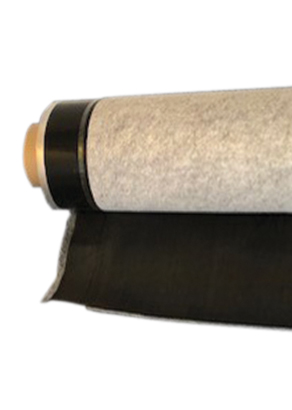
RubberBond FleeceBack™ is a 3mm thick polyester reinforced EPDM membrane, manufactured with Factory Applied Tape (FAT™).
FAT™ gives you a seam that has the same elasticity and flexibility as the membrane itself. Applied to our membranes in a factory controlled setting, FAT ensures reliable seams with greater peel and shear strengths than standard seaming methods.
The 3.05m wide roll with FAT™ reduces the amount of seams on the roof by 67% compared to felt systems and reduces the seaming time by 75% compared to other methods.
FAT™ is applied to one edge of the roll, the other edge has a guide line to ensure correct overlap widths and membrane placement.
FAT™ improves seaming productivity so projects can be completed faster, getting buildings ‘in the dry’ quicker and minimising business disruption.

 RubberBond FleeceBack EPDM flat roofing system has been awarded the British Board of Agrément certificate, No. 19/5669. Companies and individuals using products with BBA approval can do so in the knowledge that that they will perform, as set out in the certificate. If work is to be inspected by building control, the NHBC or any other industry professionals, the use of approved products should avoid any problems with compliance with building regulations or other issues.
 As a member of the RIBA NBS Plus service, we can provide the client with a bespoke NBS format specification for any project. Alternatively our technical team can always provide bespoke RubberBond FleeceBack specifications, which enable a more detailed project specific specification and can be used by those not using the NBS format.
 UK construction industry professionals can access more information about the RubberBond FleeceBack product range at www.ribaproductselector.com. Industry professionals will be able to find contact details, web addresses, case studies, product information and more about the RubberBond product range from our company overview page on the site.
 The Construction Products Regulation (CPR) has been adopted by the European Commission and UK Government from the 1st July 2013 to ensure that construction products meet the CE requirements of the new Regulation.
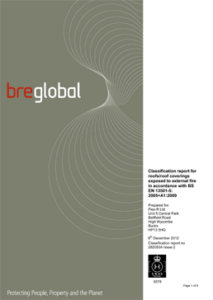 Recognising fire resistance capabilities is an important performance attribute of most roof systems and to ensure it is being installed within local government regulations. A wide variety of fire classification reports are available for RubberBond FleeceBack EPDM to view or download click the relevant test below.